


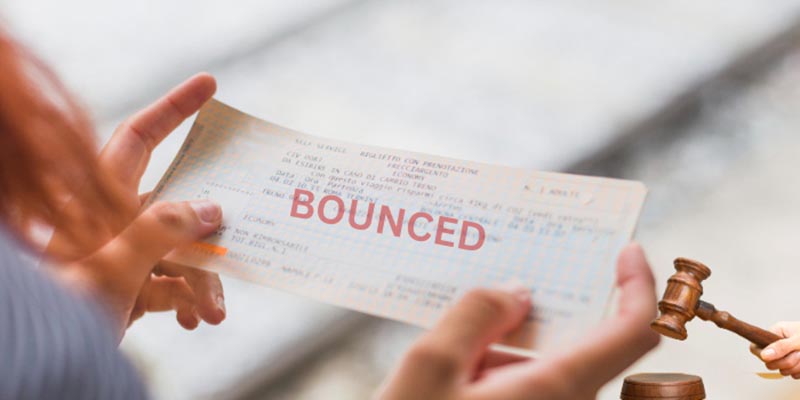
A cheque bounce—technically known as dishonour of cheque—is not just a financial inconvenience but a serious legal offense under Indian law. At Shree Legal, we assist individuals and businesses in taking timely and effective legal action in such cases.
This blog outlines the legal framework, step-by-step procedure, and remedies available if a cheque issued to you is dishonoured.
What Is a Cheque Bounce?
A cheque is said to have bounced when the bank refuses to honour it due to reasons such as:
- Insufficient funds
- Signature mismatch
- Account closed
- Exceeds arrangement
- Post-dated cheque presented early
Under Section 138 of the Negotiable Instruments Act, 1881, issuing a cheque that bounces due to insufficient funds is a criminal offense, punishable by fine or imprisonment.
Legal Requirements Under Section 138
For legal action to be taken, these conditions must be met:
- The cheque was drawn toward a legally enforceable debt or liability.
- The cheque was presented within three months of the date on the cheque.
- The payee issued a written demand notice within 30 days of receiving the bank’s return memo.
- The drawer fails to pay within 15 days of receiving the notice.
Step-by-Step Guide to Handling a Cheque Bounce Case
-
Obtain the Cheque Return Memo
When the cheque is dishonoured, the bank issues a “cheque return memo” specifying the reason for non-payment. This document is crucial for filing a legal case.
-
Send a Legal Notice
Through a qualified lawyer, send a demand notice to the drawer within 30 days. The notice should mention:
- Details of the transaction
- Date of cheque issuance
- Reason for dishonour
- Demand for payment within 15 days
Shree Legal Tip: Make sure the notice is sent via registered post and retains proof of delivery.
-
File a Complaint in Court
If there is no payment within 15 days of notice receipt:
- File a criminal complaint under Section 138.
- The complaint must be filed within one month after the 15-day notice period ends.
- Jurisdiction lies with the court where the cheque was presented (i.e., your bank branch).
-
Court Proceedings and Relief
Upon filing:
- The court issues summons to the drawer.
- If proven guilty, the drawer may face:
- Up to 2 years imprisonment, or
- Fine up to twice the cheque amount, or both.
The court may also order compensation to the complainant.
Other Legal Remedies
In addition to criminal prosecution, the payee can:
- File a civil suit for recovery of the cheque amount along with interest and legal costs.
- Initiate summary suits under Order 37 of the Civil Procedure Code for faster resolution.
How to Prevent Cheque Bounce Disputes
- Always confirm funds before issuing a cheque.
- Avoid post-dated or out-of-date cheques.
- Record all transactions for legal proof.
- In case of delay in payment, proactively inform the payee and seek an extension.
Final Words from Shree Legal
Cheque bounce cases, though common, require timely and strategic legal action to ensure your financial rights are upheld. At Shree Legal, we handle everything from legal notice drafting to courtroom representation, ensuring a smooth and professional experience for our clients.
Faced with a cheque bounce issue? Contact Shree Legal today for a swift legal solution.